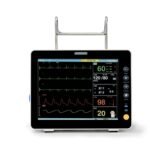
The single biggest predictor of safe anaesthesia outcomes isn’t drug choice or operator experience — it’s the consistency of monitoring during induction, maintenance and recovery. The six parameters below are the minimum every small-animal team should record on every general anaesthesia case.
1. Heart rate and rhythm (ECG)
Continuous ECG catches dysrhythmias before they become hypotensive. Record baseline before induction, every 5 minutes during maintenance, and continuously during the first 30 minutes of recovery.
2. Respiratory rate and quality
Manual count or capnograph-derived. Watch chest excursion, end-tidal CO₂ if available, and listen periodically. A patient under inhalant anaesthesia should breathe 8–20 breaths per minute with a clearly visible chest rise.
3. Pulse oximetry (SpO₂)
Keep SpO₂ above 95%. A reading below 90% requires immediate intervention — check airway patency, increase oxygen flow, consider manual ventilation.
4. Blood pressure (NIBP or arterial line)
Hypotension under anaesthesia (mean arterial pressure <60 mmHg) is the most common cause of renal injury and delayed recovery. Non-invasive blood pressure with an appropriately sized cuff is the practical standard; check every 3–5 minutes during maintenance.
5. Body temperature
Hypothermia in small patients under anaesthesia is the rule, not the exception. Use active warming (forced-air blankets, warmed IV fluids) from induction onward. Record temperature every 15 minutes.
6. Capnography (end-tidal CO₂)
Where available, end-tidal CO₂ is the single best continuous indicator of ventilation quality. Target 35–45 mmHg. A rising trend signals hypoventilation; a sudden drop suggests airway dislodgement or cardiovascular collapse.
The anaesthesia record
All of the above should be recorded on a written or electronic anaesthesia record at fixed intervals — every 5 minutes during maintenance is the recognised standard. The record is your clinical memory, your medico-legal defence, and your most important teaching tool for new technicians.
Looking for veterinary equipment in Thailand? Browse our full lineup at lumavet.com or contact our team at sales@lumavet.com.