Every veterinary clinic that performs surgery needs a reliable sterilisation process. The two dominant technologies — steam autoclaving and ethylene oxide (EO) gas sterilisation — are not interchangeable. Choosing the wrong method for a given instrument category causes either inadequate sterilisation or accelerated equipment damage. This guide clarifies which method fits which use case.
Steam autoclaving (Class B)
A Class B autoclave uses a fractionated vacuum cycle to remove air from every part of the load — including hollow lumens, porous wraps, and instrument trays — before steam is admitted. This is the standard for any load that includes hollow instruments, double-wrapped sets, or porous materials.
Cycle parameters: 134°C for 3.5 minutes (standard cycle) or 121°C for 15 minutes (slower cycle for heat-sensitive stainless). Modern Class B units complete a full porous-load cycle in 25–35 minutes.
What to autoclave:
- Stainless steel surgical instruments
- Textile drapes and gowns
- Instrument trays
- Implants rated to 134°C
- Glass laboratory items
What NOT to autoclave: Flexible endoscopes, electronic components, fibre-optic cables, heat-sensitive plastics, and acrylic items will be damaged or destroyed at autoclave temperatures.
Ethylene oxide (EO) gas sterilisation
EO is a low-temperature gas sterilisation method (typically 37–55°C) that penetrates complex lumens and heat-sensitive materials without damage. It is the method of choice for instruments that cannot tolerate steam.
What to EO sterilise:
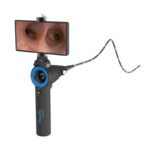
- Flexible endoscopes (scopes rated for EO — check IFU)
- Electronic components and cables
- Fibre-optic light cables
- Heat-sensitive polymer instruments
- Ultrasound probes rated for sterilisation
Limitations: EO cycles are significantly longer than steam — typically 4–16 hours including mandatory aeration time to off-gas residual ethylene oxide before instruments can be used. EO requires dedicated ventilation and periodic environmental monitoring. It is not practical for instruments needed in a rapid turnaround.
Which should your clinic have?
| Situation | Recommended |
|---|---|
| General-practice surgery (stainless instruments, drapes) | Class B autoclave only |
| Clinics with flexible endoscopy equipment | Class B autoclave + EO unit (or HLD for scopes) |
| Referral practice with complex instrument inventory | Both, with a defined instrument routing protocol |
Note: many endoscope manufacturers explicitly prohibit steam autoclaving and require HLD (high-level disinfection) or EO as the reprocessing method. Always verify the IFU of each scope before choosing a sterilisation route.
LumaVet sterilisation range
LumaVet stocks the VPSS01 Class B steam steriliser and the VPSS02 low-temperature EO unit, sized for small and mid-size veterinary practices. Contact us for cycle validation data and consumable pricing.
Looking for veterinary equipment in Thailand? Browse our full lineup at lumavet.com or contact our team at sales@lumavet.com.