Canine Rehabilitation: Physical Therapy Equipment Changing Post-Operative Care
Underwater treadmill, laser, NMES and balance boards — how canine rehabilitation equipment is reshaping recovery timelines after TPLO, FHO and spinal surgery.
Underwater treadmill, laser, NMES and balance boards — how canine rehabilitation equipment is reshaping recovery timelines after TPLO, FHO and spinal surgery.
Extracorporeal shockwave, class IV laser and therapeutic ultrasound are now established tools in performance-horse practice. Here's the evidence base and the clinical use cases.
Steam autoclaving and ethylene oxide gas serve very different instrument categories. Knowing which to use for which items prevents damage and ensures sterility.
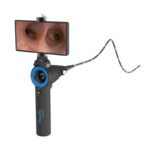
Gastroscope, bronchoscope or cystoscope first? A practical guide to building flexible endoscopy capability in a general small-animal practice.
ECG, SpO2, NIBP, capnography, temperature — not every monitor provides all five. Here's how to match monitoring capability to your clinical workload.
Haematology, biochemistry, urinalysis or electrolytes first? A practical framework for sequencing your in-clinic diagnostic investment.
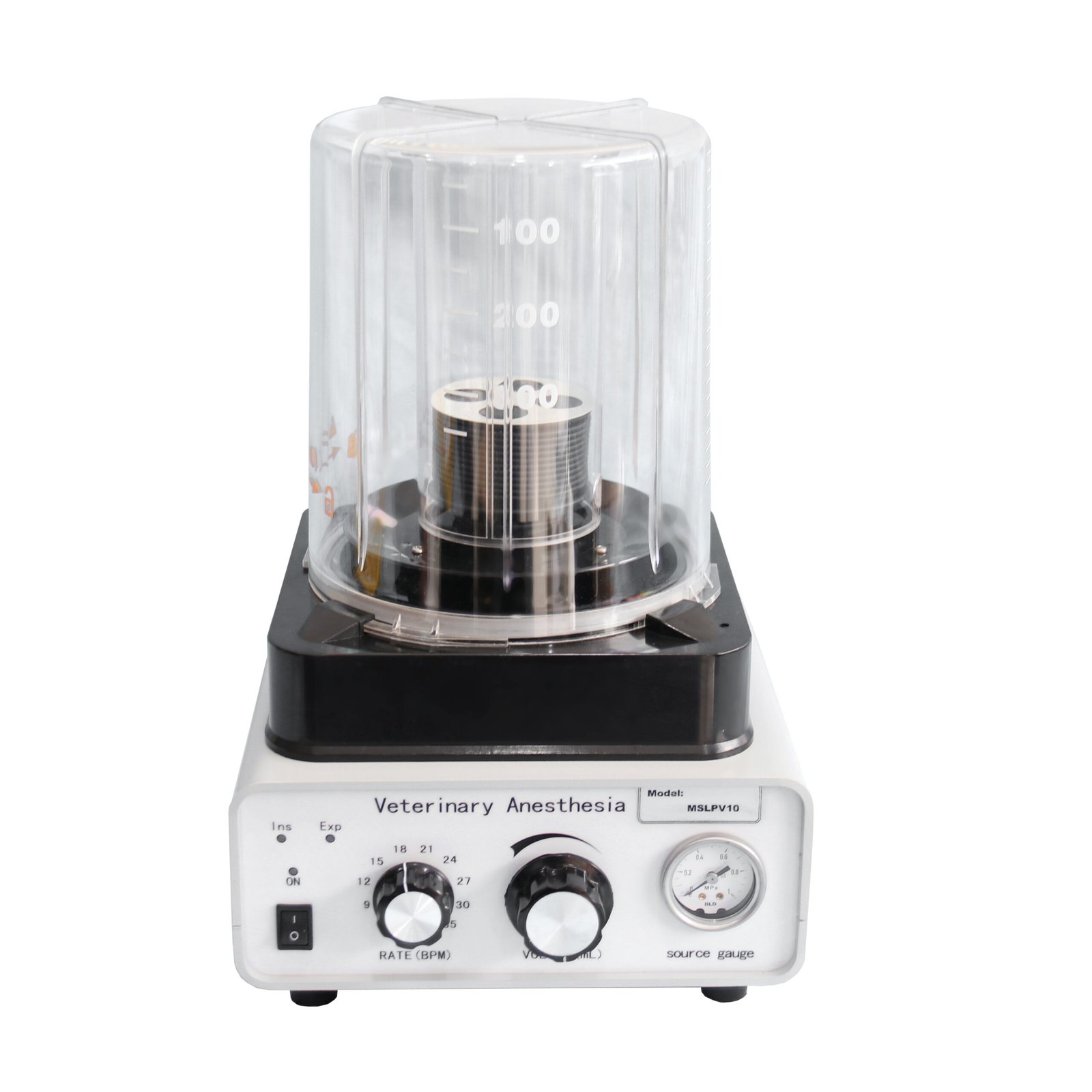
Rebreathing vs non-rebreathing, integrated vs stand-alone vaporiser, circuit size — five practical considerations before you buy.
A safe anaesthesia is a monitored anaesthesia. Six core parameters every general-practice team should record on every case.
Small positioning errors waste exposures and frustrate teams. Five practical tips to nail standard small-animal projections.
Three projections, peak inspiration, consistent technique — a refresher on getting diagnostic-quality thoracic films every time.