
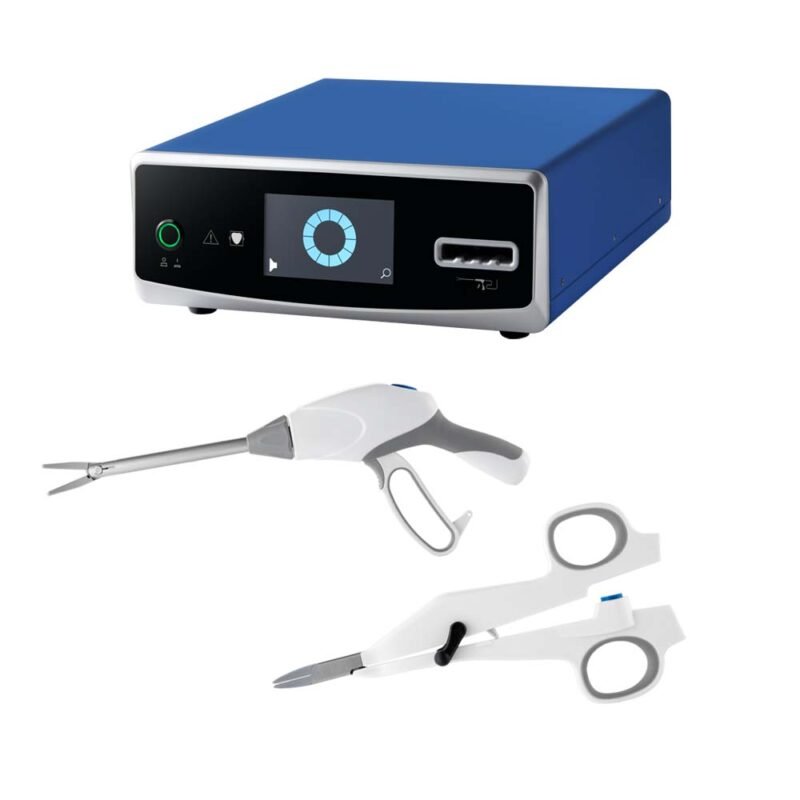
Vessel sealing generator for veterinary surgery, sealing and dividing tissue bundles in one instrument pass.
Product Overview
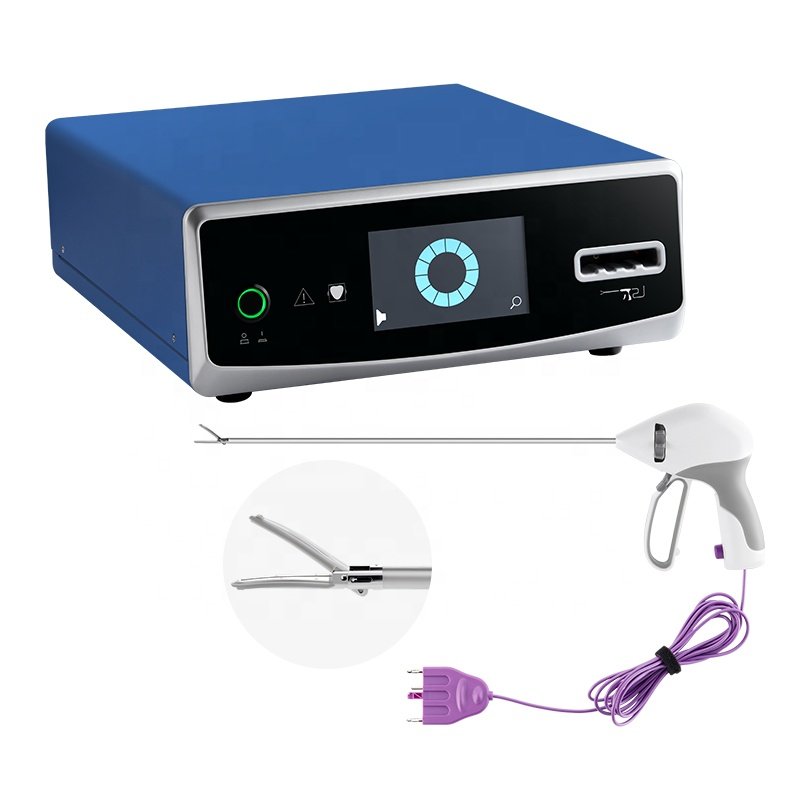
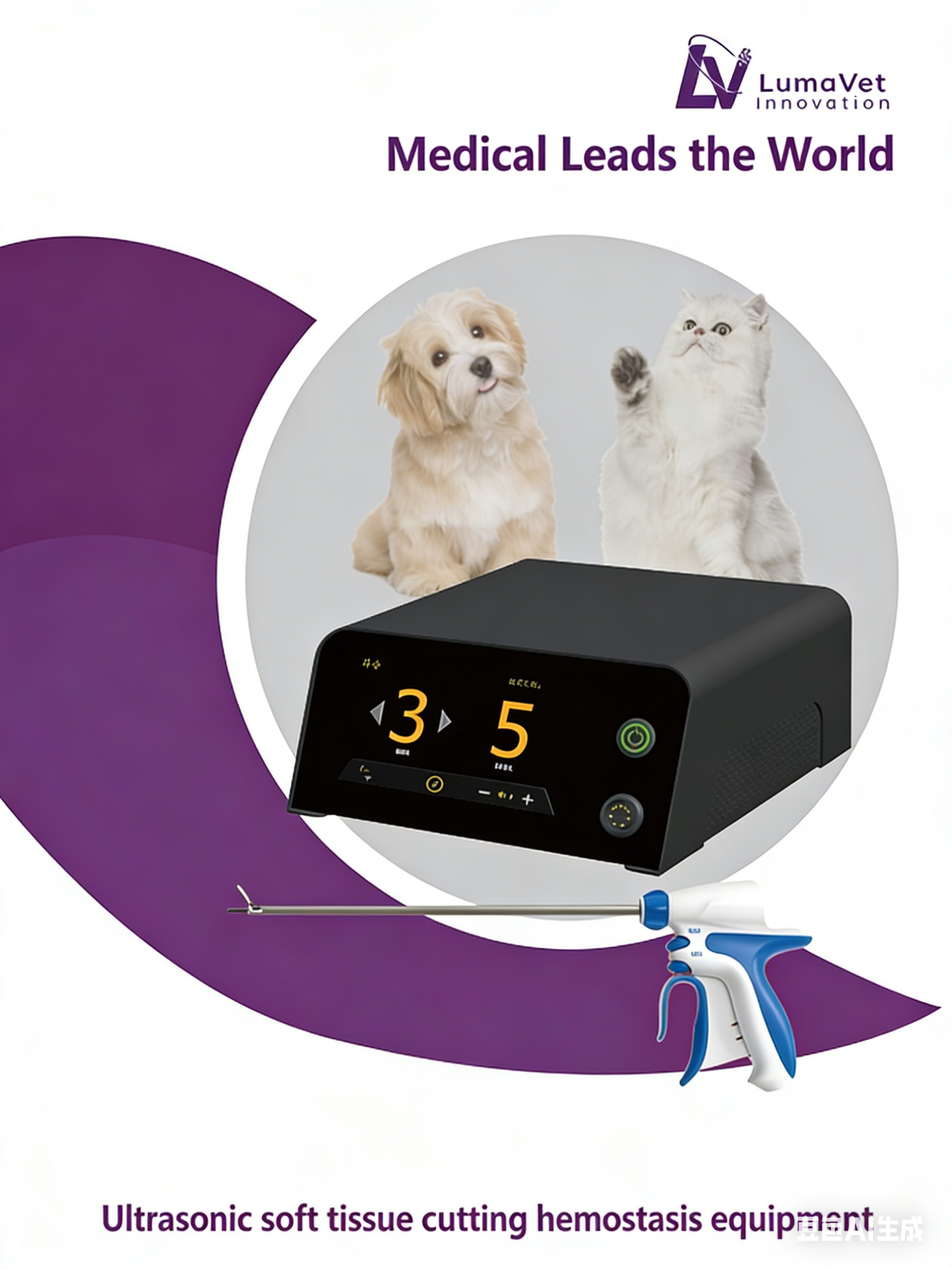
The ES4 is a vessel sealing system for veterinary surgery. The generator applies controlled bipolar energy through a purpose-built instrument that compresses the tissue bundle, fuses the vessel walls and then divides the seal — replacing the clamp, ligate and cut sequence with a single instrument pass.
The instrument set covers open and laparoscopic approaches. Because the energy path is bipolar and confined between the jaws, no patient return electrode is required.
Key Features
- Seal and divide in one pass — removes the clamp, ligate, cut and suture-removal steps from each pedicle
- Bipolar energy confined between the jaws — no patient return electrode to site and monitor
- Status ring on the front panel shows cycle state without reading a menu
- Single instrument socket — connect, cycle, disconnect; nothing to configure per instrument
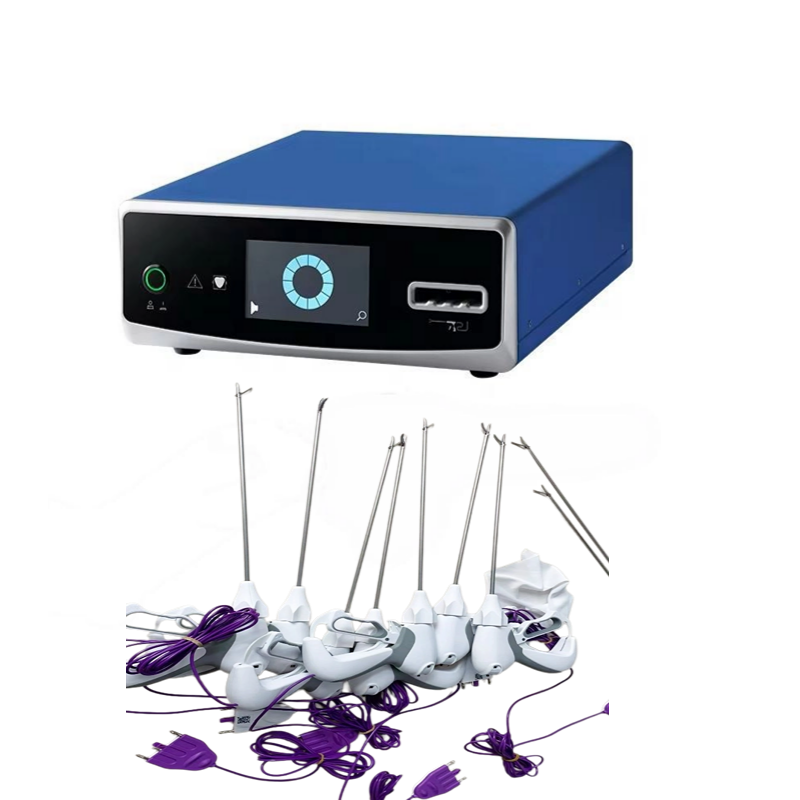
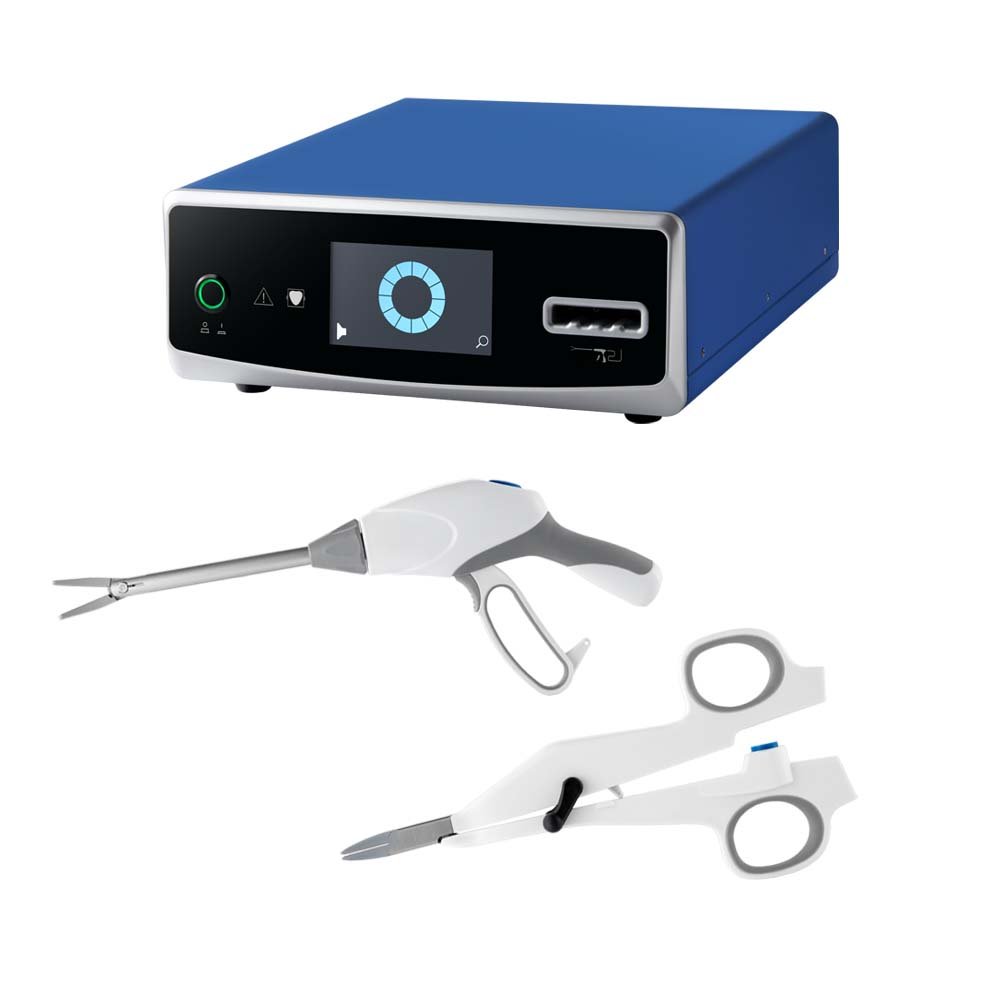
- Open and laparoscopic instruments on the same generator
- Instrument range covers several jaw profiles and shaft lengths for different approaches
- No suture material left in the surgical site
Visual Evidence
Technical Specifications
Clinical Applications
- Ovariohysterectomy and ovariectomy — ovarian pedicle and uterine body
- Splenectomy and hepatic lobectomy, where multiple vessels are taken in sequence
- Gastrointestinal resection and mesenteric division
- Laparoscopic procedures using the long-shaft instruments
- Soft tissue and oncological resection where haemostasis drives operating time
Workflow Notes
- No return electrode is required — there is no plate to site, and no plate contact fault to troubleshoot mid-procedure
- Jaw profile and shaft length are chosen by approach; confirm the instrument set against the procedures the practice actually runs
- Instruments are consumable or reusable depending on type — confirm the reuse count and reprocessing method at order
- Seal quality depends on full tissue capture in the jaws; do not attempt to seal a bundle wider than the jaw length
Package Contents
Downloads & Documentation
Why Choose ES4
- Fewer steps per pedicle shortens anaesthetic time, which is where the theatre cost actually sits
- Nothing is left in the surgical site — no suture material, no ligature slip to return for
- Bipolar path removes the return electrode from the setup entirely
- One generator serves open and laparoscopic instrument sets
Warranty & Support
FAQ
What vessel diameter can it seal? The rated maximum vessel diameter is model-specific and we are confirming it with the manufacturer. Ask us for the current figure before ordering — we will not quote a number we cannot document.
Does it need a patient return electrode? No. The energy path is bipolar and confined between the instrument jaws, so there is no plate to site or monitor.
Can the same generator run laparoscopic and open instruments? Yes. Both instrument types connect to the same generator socket.
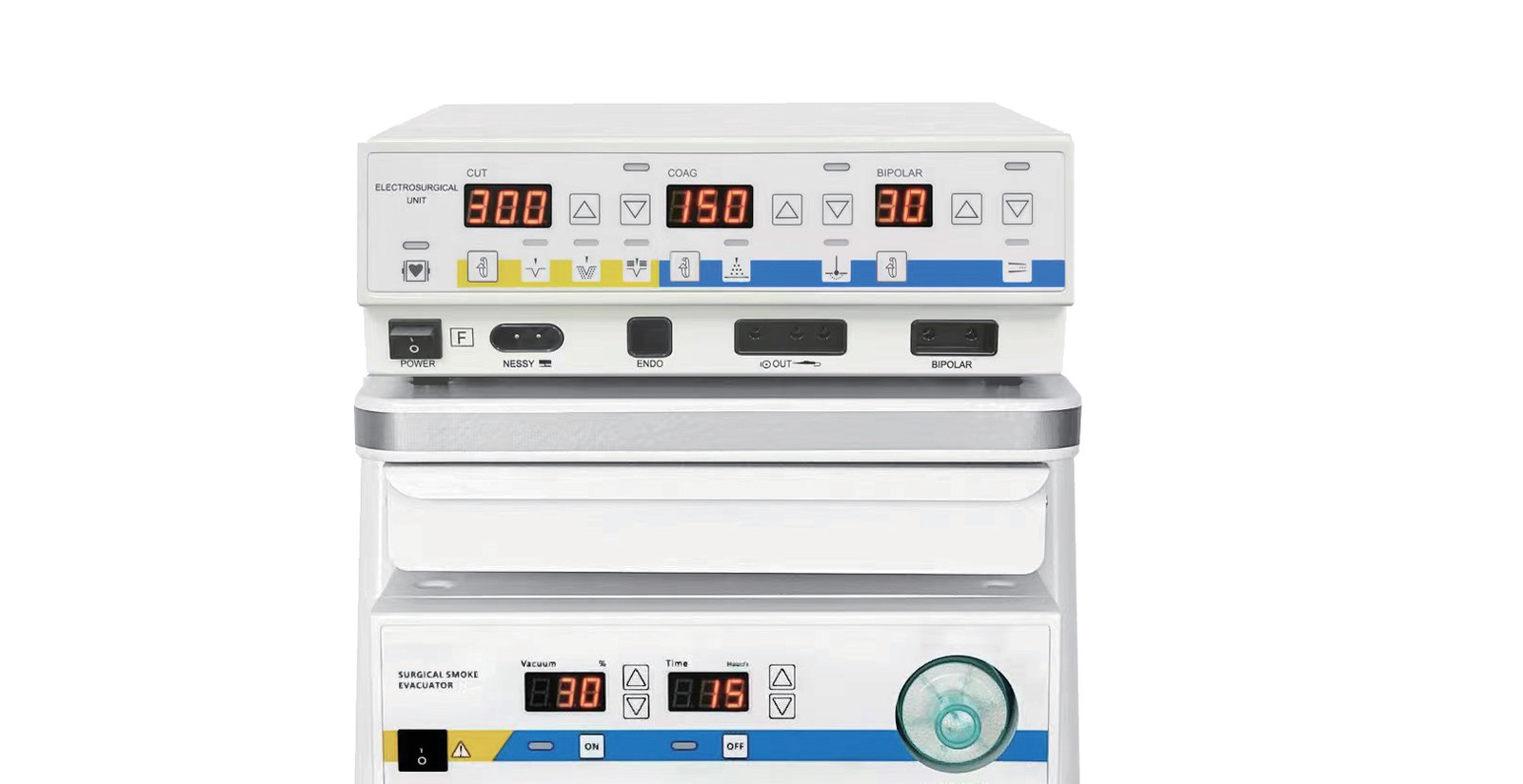
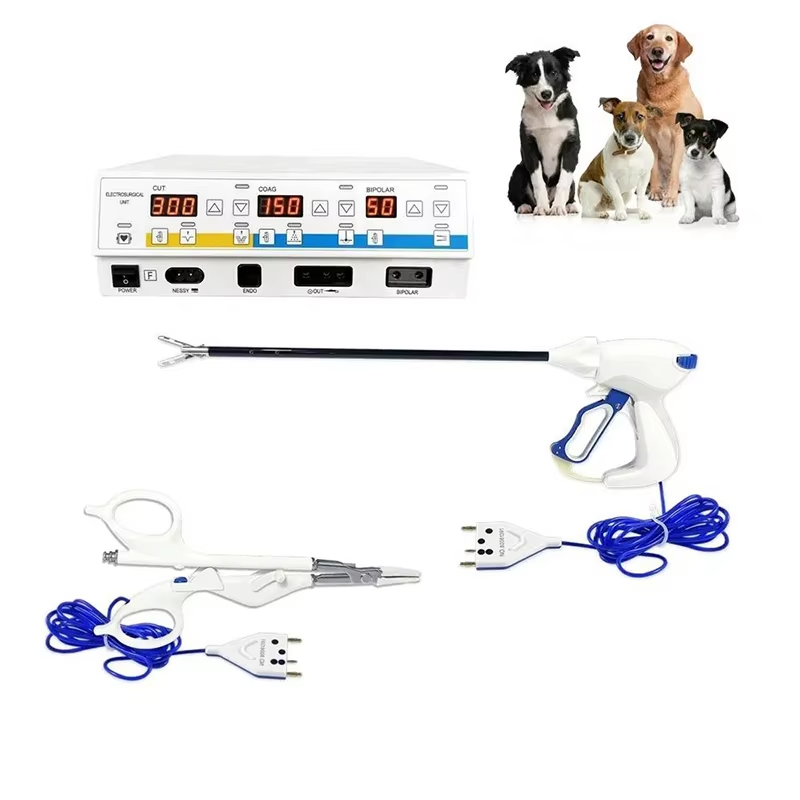
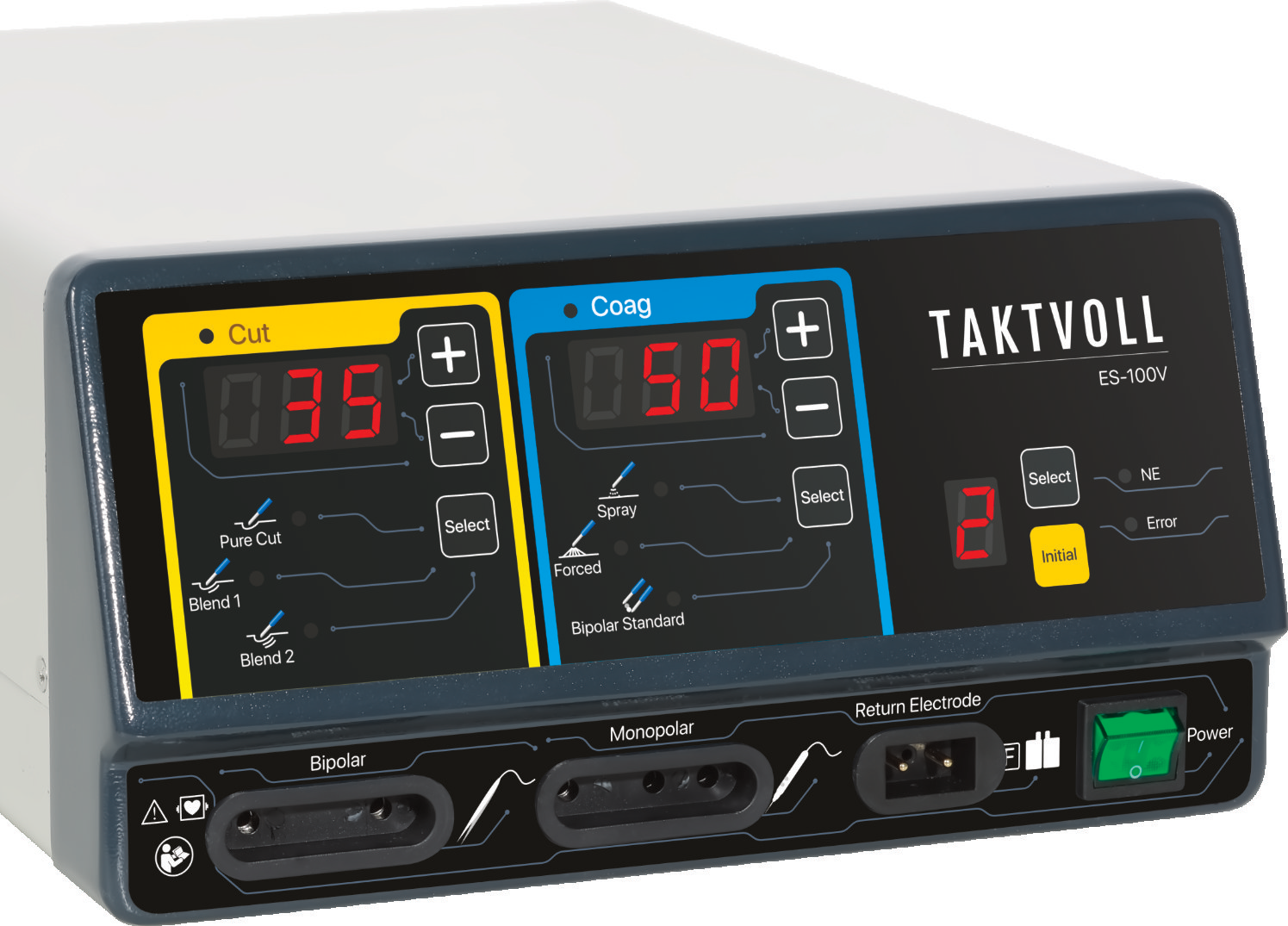
How does this differ from a conventional electrosurgical unit? A conventional unit cuts and coagulates. A vessel sealing system compresses the bundle and fuses the vessel walls into a seal, then divides it — it is intended to replace ligation, not cautery.
Are the instruments reusable? That depends on the instrument type. Confirm the reuse count and the reprocessing method with us at order.
Reviews
There are no reviews yet.